regulatory · August 27, 2026
FDA Advisory Panel Votes to Recommend Broader Compounding Access for Six Peptides
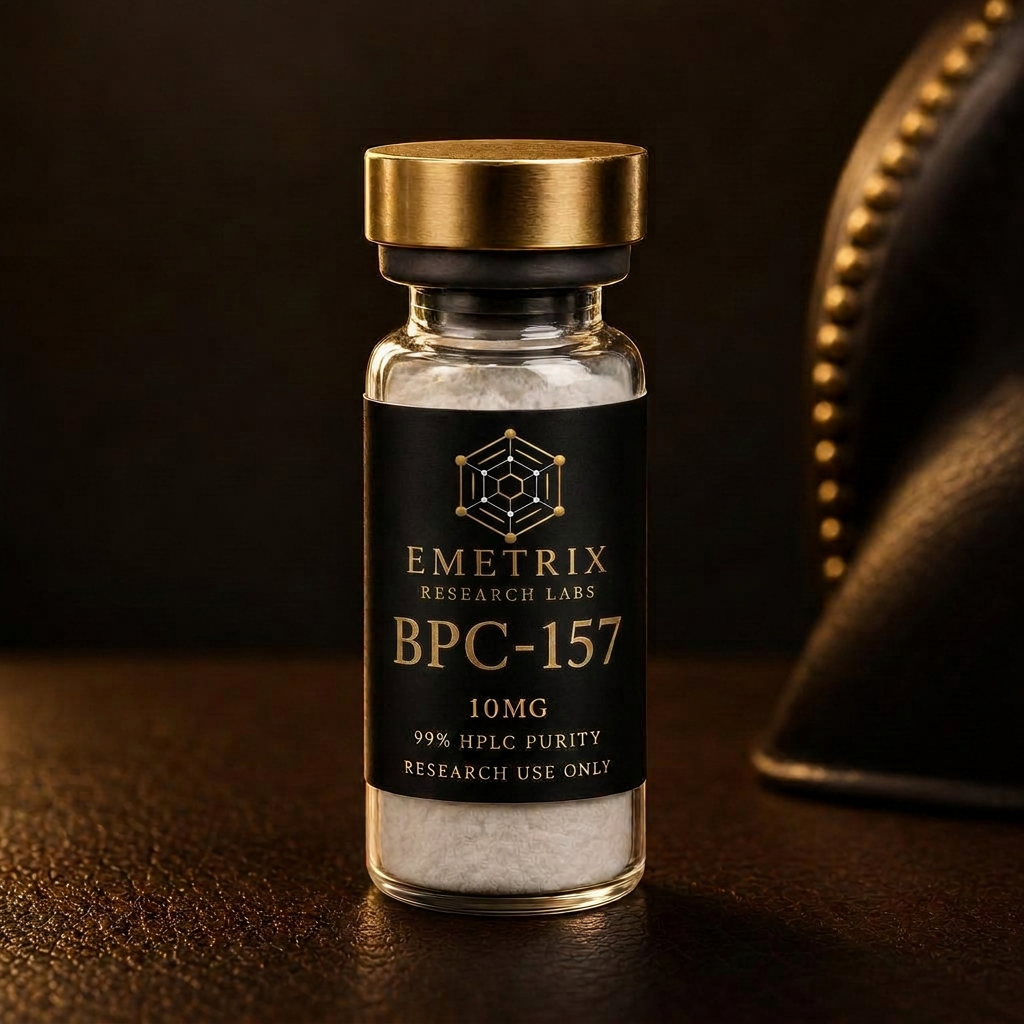
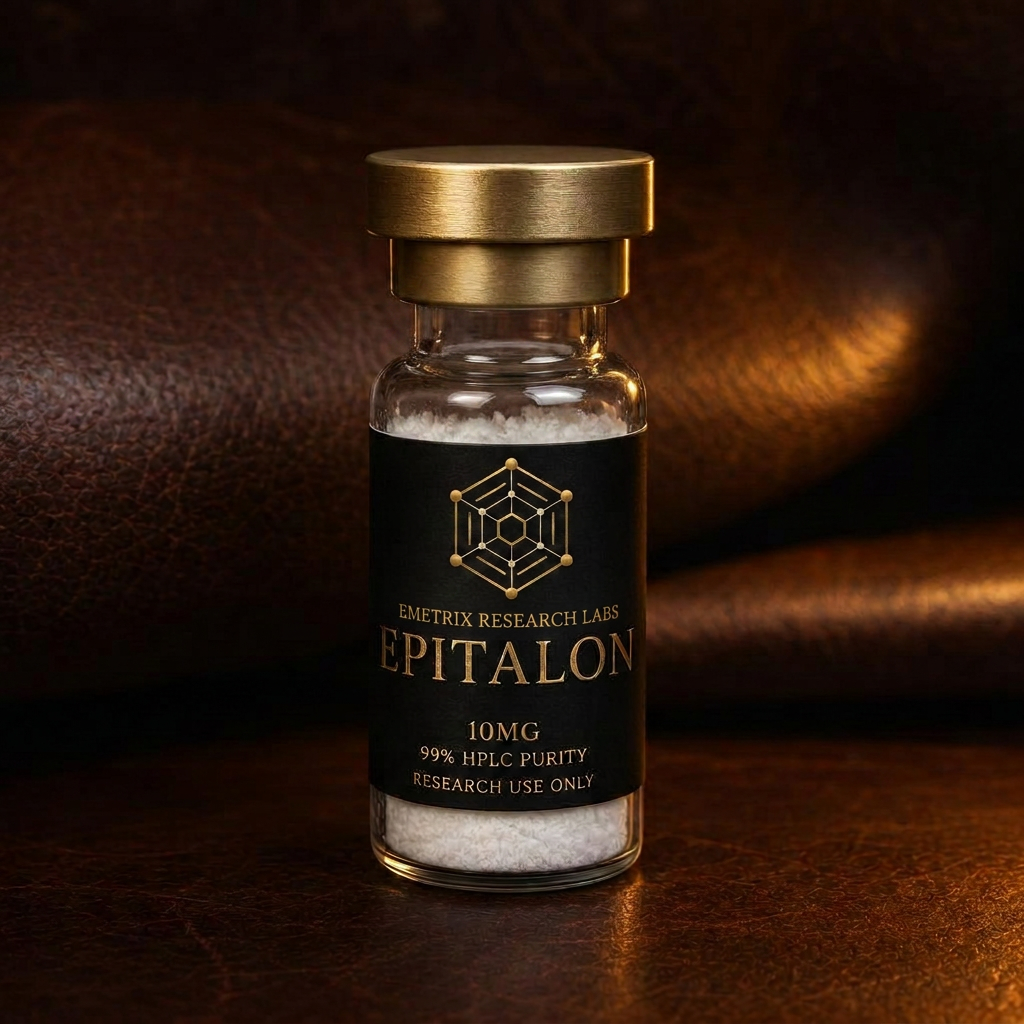
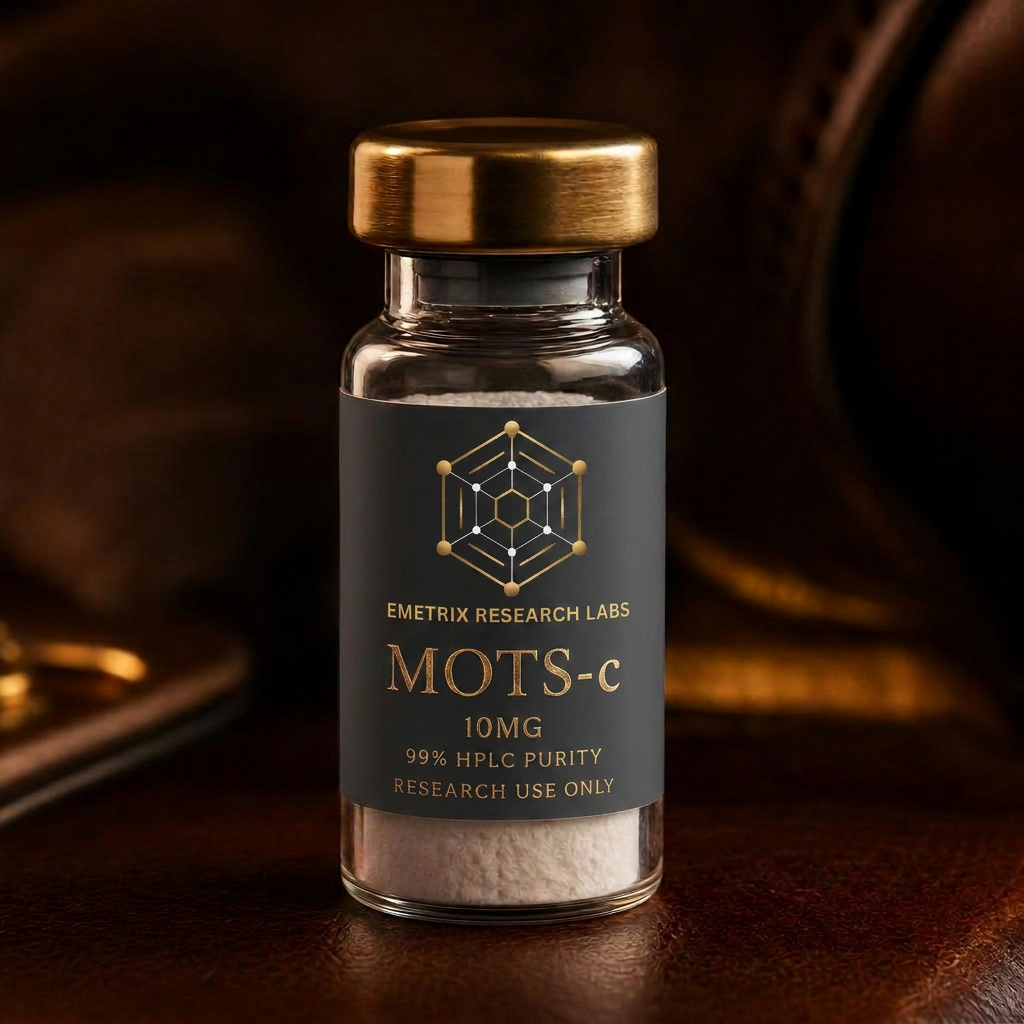
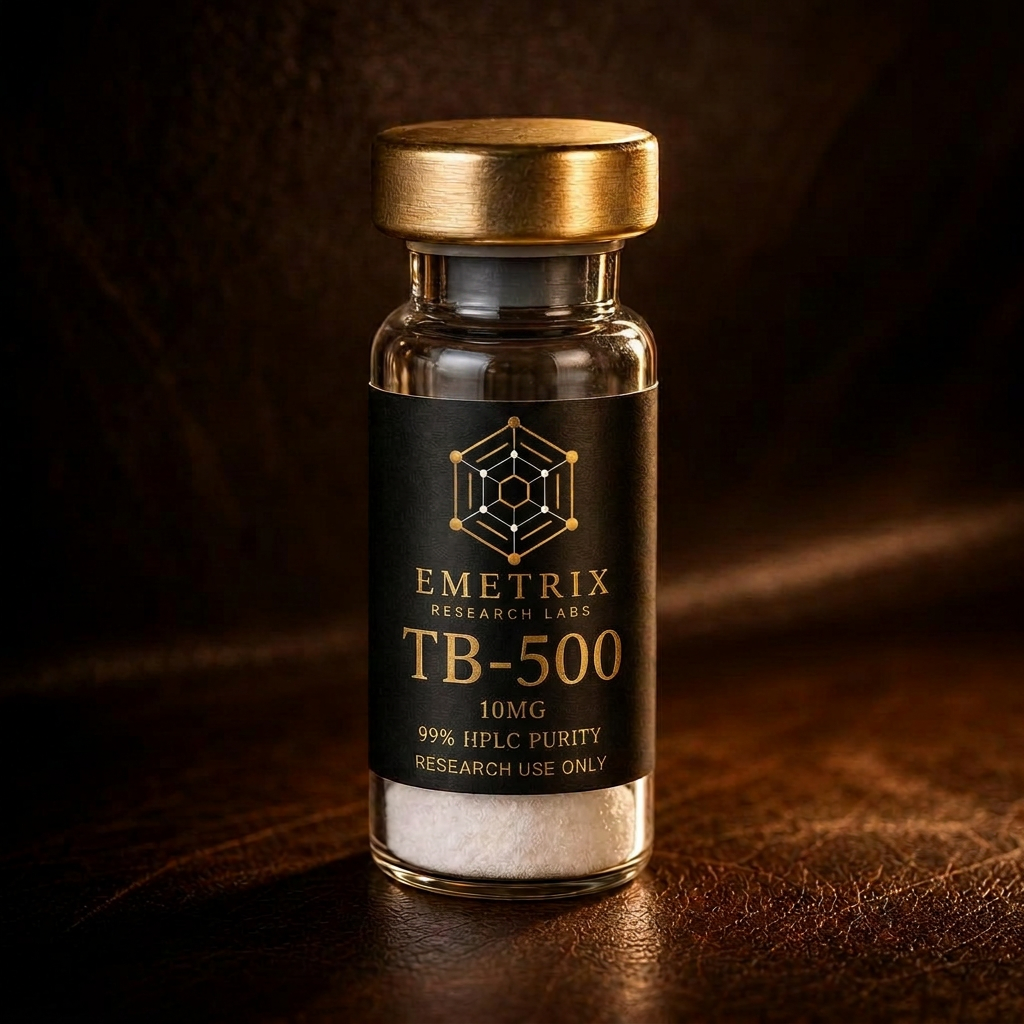
An FDA advisory panel voted to recommend six of seven reviewed peptides — BPC-157, KPV, TB-500, MOTS-c, Epitalon, and Semax — for broader access through compounding pharmacies, while agency scientists cautioned that safety data remain incomplete.

Regulatory Evaluation of Bulk Peptide Substances
A recent advisory panel vote convened by the Food and Drug Administration (FDA) represents a noteworthy juncture in the regulatory oversight of synthetic peptides. The panel evaluated seven unapproved peptide compounds to determine their suitability for inclusion on bulk drug substance lists utilized in pharmacy compounding. Following technical reviews, the panel voted to recommend six of the candidates—BPC-157, KPV, TB-500, MOTS-c, Epitalon, and Semax—for potential compounding access, while rejecting a seventh candidate due to insufficient supporting data.
These candidate molecules have drawn attention across preclinical literature and clinical wellness sectors, where they are frequently cited in connection with tissue repair, inflammatory pathway modulation, mitochondrial regulation, and neuroprotection. However, despite their visibility, all six compounds remain unapproved drug entities. None possess approved New Drug Applications (NDAs), validated human clinical trial safety records, or standardized dosing protocols established through randomized controlled trials.
The Regulatory Framework: 503A and 503B Compounding
To evaluate the scope of the panel’s vote, the decision must be viewed within the statutory pathways governing pharmacy compounding in the United States. Under the Federal Food, Drug, and Cosmetic Act (FD&C Act), bulk drug substances used in compounding are evaluated under two primary operational models:
- Section 503A: Regulates traditional state-licensed compounding pharmacies preparing individualized formulations pursuant to patient-specific prescriptions.
- Section 503B: Regulates outsourcing facilities permitted to compound larger batches for distribution to healthcare institutions without patient-specific prescriptions, provided strict Current Good Manufacturing Practice (cGMP) standards are met.
For an unapproved bulk substance to be lawfully compounded under these sections, it typically must be placed on an agency-approved bulk drug substances list. The advisory panel’s vote serves as a technical appraisal of whether existing scientific literature and clinical demand justify placing these six peptides onto those regulatory rosters.
Crucially, an advisory panel recommendation is non-binding. It serves a consultative role to regulatory authorities. The FDA maintains administrative discretion to accept, modify, or reject the committee’s findings when finalizing the definitive 503A and 503B lists.
Pharmacological Gaps and Safety Warnings
Throughout the panel deliberations, agency scientists raised persistent technical reservations regarding the candidate compounds. Presentations delivered by regulatory toxicologists highlighted substantial data gaps, specifically regarding incomplete pharmacokinetic profiles, uncharacterized long-term toxicity, and potential immunogenic risks inherent to synthetic amino acid sequences.
Scientific Considerations Identified by Reviewers
- Pharmacokinetic and Metabolic Data: For several evaluated molecules—such as Epitalon (a synthetic tetrapeptide) and MOTS-c (a mitochondrial-derived peptide)—published mammalian pharmacokinetic data remain sparse. Parameters such as volume of distribution, absolute bioavailability, metabolic clearance pathways, and drug-drug interactions have not been systematically established in humans.
- Purity and Characterization: Synthetic peptide manufacturing can produce deletion sequences, truncated fragments, diastereomers, and residual organic solvents. Without standardized United States Pharmacopeia (USP) monographs, commercial preparations exhibit inconsistent product purity and variable potency across batches.
- Immunogenicity Liabilities: Repeated administration of exogenous peptide chains can stimulate anti-drug antibody (ADA) production. This response can alter physiological clearance rates, neutralize endogenous peptide counterparts, or trigger systemic hypersensitivity reactions.
Regulatory scientists stressed that while basic research models demonstrate targeted molecular interactions—such as BPC-157’s reported modulation of angiogenic signaling or Semax’s influence on neurotrophic factor expression—these preclinical observations do not equate to verified clinical safety or efficacy.
Impact on Research Sourcing and Analytical Standards
The panel’s recommendations highlight the necessity of rigorous characterization standards for peptide structures. However, for the scientific community engaged in basic research, the regulatory criteria governing pharmacy compounding remain distinct from the requirements of experimental research.
In vitro and in vivo research models depend on highly characterized reference materials to ensure experimental reproducibility. Regardless of compounding determinations, primary research compounds require rigorous analytical verification, including:
- High-Performance Liquid Chromatography (HPLC): To confirm purity thresholds (typically $\ge 98%$).
- Mass Spectrometry (MS): To verify exact molecular weight and primary sequence identity.
- Endotoxin Quantification: Utilizing Limulus Amebocyte Lysate (LAL) assays to prevent confounding inflammatory responses in experimental systems.
Compounded formulations are clinical preparations intended for therapeutic delivery under professional supervision. Conversely, reference peptides designated for laboratory research operate under a strict research-use-only (RUO) framework. RUO compounds are non-therapeutic reagents intended exclusively for non-clinical laboratory experimentation and are not for human consumption or diagnostic use.
Prospective Regulatory Chronology
The immediate focus shifts to administrative rulemaking by the agency. The FDA will analyze the advisory committee’s transcript, public comments, and submitting dossiers before issuing formal orders in the Federal Register.
Key developments to monitor include:
- Publication of Final Bulk Lists: Determination of whether the six recommended peptides are officially added to the 503A or 503B bulk drug substance lists, or restricted under interim policy categories.
- Establishment of Quality Monographs: Potential development of USP standards defining identity, assay methods, purity limits, and stability testing parameters for these sequences.
- Enforcement Guidance Updates: Issuance of revised regulatory posture regarding the unregistered sale and distribution of unapproved peptide entities outside authorized pathways.
Pending final agency rules, these compounds remain complex experimental candidates that require rigorous analytical validation when utilized in scientific research settings.
Related products